산업안전의 시작
우리 회사에 적용되는 법령부터 정확히 파악하자
산업안전보건법을 처음 마주하는 사업장이라면, 무엇을 지켜야 하는지보다 먼저 무엇이 우리 사업장에 해당하는지를 확인하는 데서 시작해야 한다.
The Beginning of Industrial Safety
Know Which Regulations Actually Apply to Your Company
For companies encountering the Occupational Safety and Health Act for the first time, the starting point isn't knowing what to comply with — it's determining what applies to your business at all.
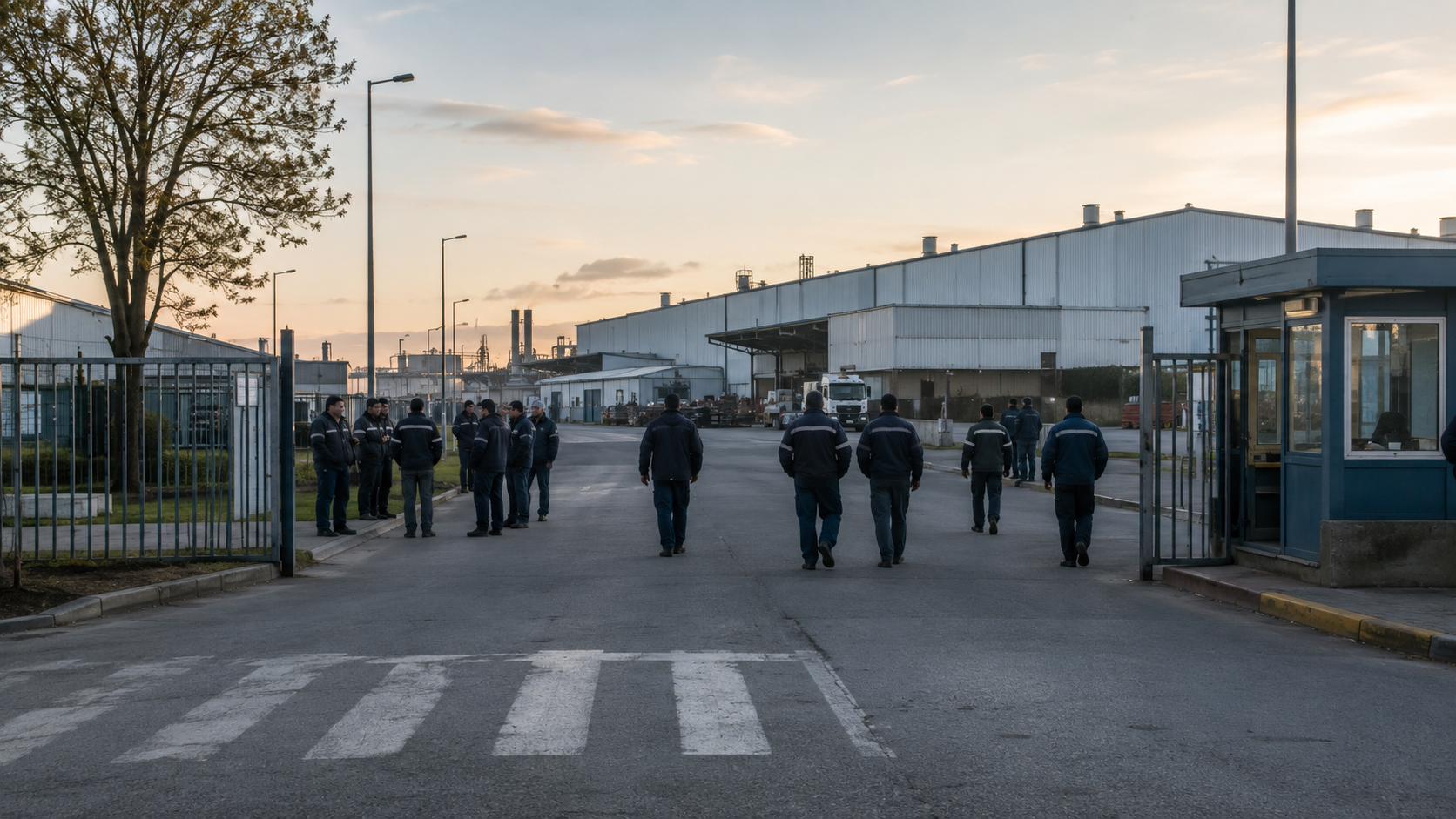
산업안전보건법을 시작한다는 것은 안전화를 새로 맞추거나 표지판을 세우는 일이 아니라, 우리 사업장이 이 법의 어느 지점에 서 있는지를 먼저 확인하는 일에서 출발한다. 법을 대하는 첫걸음이 지켜야 할 항목을 나열하는 데서 시작되면, 정작 우리 사업장에는 해당하지 않는 부분에 힘을 쏟거나, 반대로 실제로 적용되는 부분을 놓치는 결과로 이어지기 쉽다.
대한민국에서 사업을 영위하는 이상 산업안전보건법을 완전히 벗어나는 사업장은 거의 없지만, 그 법이 사업장에 얹히는 무게는 업종과 규모에 따라 상당히 다르게 설계되어 있으며, 이 차이를 이해하는 것이야말로 안전관리를 향한 첫걸음이 헛돌지 않도록 잡아주는 나침반과 같다. 이 확인 절차를 건너뛰고 곧바로 교육이나 점검부터 시작하는 사업장이 적지 않은데, 그 결과는 대체로 둘 중 하나로 나타난다. 굳이 필요하지 않은 항목까지 끌어안아 부담만 키우거나, 정작 반드시 지켜야 하는 부분을 지나친 채 뒤늦게 문제를 마주하게 되는 경우다.
Beginning industrial safety management is not about ordering new safety shoes or mounting a few more warning signs. It starts with something far less visible: working out exactly where your company stands within the Occupational Safety and Health Act. When the first move is drawing up a list of obligations before confirming what actually applies, companies end up pouring effort into requirements that were never theirs to begin with — or, just as often, missing the ones that were.
Virtually no business operating in Korea sits entirely outside the reach of the Occupational Safety and Health Act, yet the weight the law places on any given workplace varies considerably by industry and scale, and understanding that difference is what keeps a company's first step toward safety management from going nowhere. Many workplaces skip this step of clarification and move straight into training sessions or inspections, and the result tends to fall into one of two patterns: taking on obligations that were never required, or walking past the ones that mattered most until the consequences catch up.
법은 근로자를 통해 사업장에 들어온다
산업안전보건법은 산업 안전과 보건의 기준을 세우고 그 책임의 소재를 명확히 함으로써 산업재해를 예방하고 쾌적한 작업환경을 조성하여, 노무를 제공하는 사람의 안전과 건강을 지키는 데 목적을 두고 있으며, 이 목적이 실현되는 통로는 기본적으로 해당 사업장에 근로자가 존재하는지 여부에 있다. 사업을 영위하는 과정에서 근로자를 사용하고 있어야 비로소 법의 적용 대상이 되는 것이 원칙이지만, 일부 조항은 근로자를 고용하지 않은 사업에도 적용되도록 별도로 정해져 있어, 근로자의 유무만으로 법의 적용 여부를 단정하는 것은 성급한 판단이 될 수 있다. 이러한 예외적인 적용은 아직 근로자를 두지 않은 창업 초기 단계의 사업장에서도 특정한 의무가 이미 발생할 수 있다는 점을 함께 시사한다.
The Law Enters a Workplace Through Its Workers
The Occupational Safety and Health Act exists to establish standards for industrial safety and health, clarify where responsibility lies, prevent industrial accidents, and build a comfortable working environment — all in service of protecting the safety and health of the people who provide labor. The channel through which that purpose reaches a workplace is, in principle, the presence of workers: a business must be employing workers to fall under the law as a general rule. Certain provisions, however, apply even to businesses without employees, which makes it a hasty judgment to assume the law doesn't apply simply because no one has been hired yet — meaning a company in its earliest stages, before it has taken on a single worker, may already carry specific obligations under the law.
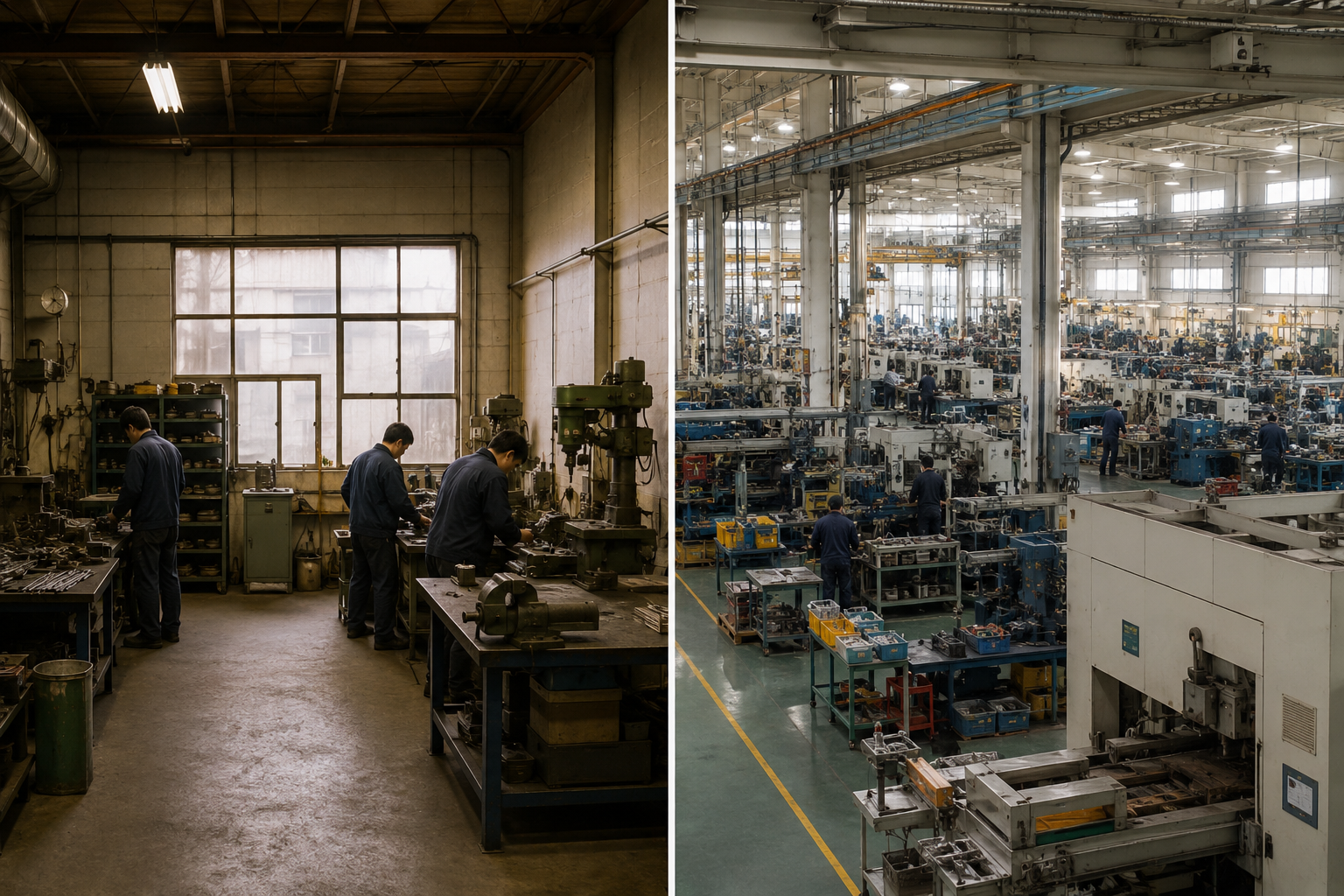
10명 사업장과 1,000명 사업장에 같은 잣대를 들이댈 수 없다
상시근로자 열 명이 일하는 사업장과 천 명이 넘는 인원이 근무하는 사업장에 동일한 기준을 그대로 적용하거나, 사무실 중심의 사업과 중장비가 오가는 공장에 같은 의무를 똑같이 요구한다면, 그 자체로 현실과 동떨어진 형평성의 문제가 발생할 수밖에 없다. 안전보건 업무를 담당할 인력을 선임하는 의무처럼 규모가 커질수록 요구되는 수준이 자연스럽게 높아지는 항목이 있는가 하면, 반대로 소규모 사업장에서는 애초에 감당하기 어려운 형태로 설계된 의무도 있어, 규모를 고려하지 않은 일률적인 적용은 어느 쪽에도 실질적인 도움이 되지 않는다. 이러한 이유로 산업안전보건법은 원칙적으로 모든 사업에 적용되는 것을 전제로 하면서도, 유해·위험의 정도와 사업의 종류, 그리고 사업장의 상시근로자 수(건설공사의 경우에는 공사금액)를 종합적으로 고려하여 법의 전부 또는 일부를 적용하지 않는 구조를 함께 갖추고 있다.
법은 모든 사업장에 적용되지만, 모든 사업장에 같은 무게로 적용되지는 않는다.
A Ten-Person Shop and a Thousand-Person Plant Cannot Be Measured by the Same Rule
Applying identical standards to a workplace with ten employees and one with over a thousand, or holding an office-based business to the same duties as a factory floor crowded with heavy machinery, creates a fairness problem that has nothing to do with the letter of the law and everything to do with reality. Some obligations, like appointing dedicated safety personnel, naturally scale upward with company size, while others are structured in ways a small workplace could never realistically meet — which is exactly why treating every business the same, regardless of scale, helps no one. For this reason, the Act is built on the premise that it applies to virtually every business, while carving out a structure that exempts businesses, in whole or in part, based on the degree of hazard involved, the type of business, and the number of regular employees (or, for construction, the contract value).
The law applies to every business — but not with the same weight everywhere.
업종을 가르는 기준은 사업자등록증이 아니다
여기서 실무자들이 가장 자주 놓치는 지점이 등장한다. 컨설팅 현장에서 사업장 담당자에게 업종을 물으면 상당수가 사업자등록증에 적힌 업종이나, 산재보험 가입 시 분류된 사업 종류를 기준으로 답하는데, 산업안전보건법이 적용 범위를 판단할 때 근거로 삼는 업종 분류는 이 둘 중 어느 것도 아니다. 법이 실제로 따르는 기준은 통계법에 따라 고시되는 한국표준산업분류이며, 사업장이 스스로 사업자등록증이나 보험 분류만 보고 업종을 판단하면, 실제 적용 범위와는 다른 전제 위에서 안전관리를 설계하는 오류에 빠지게 된다. 실제로 사업자등록증에는 여러 업종이 함께 기재되어 있거나, 등록상의 업종과 실제 수행하는 업무의 비중이 달라진 경우도 드물지 않아, 한국표준산업분류 조회를 통해 자신의 사업장이 실제로 어느 업종으로 분류되는지 먼저 확인해보는 과정이 필요하다.
업종을 정확히 확인했다면, 그다음은 그 업종과 규모를 기준으로 법이 어디까지 적용되는지를 살펴볼 차례다. 시행령이 정해 둔 적용 제외의 틀을 들여다보면 이 판단이 왜 중요한지 더욱 분명해진다. 광업이나 원자력, 항공, 선박 건조처럼 이미 별도의 안전 관련 법률이 촘촘하게 적용되고 있는 업종은 산업안전보건법의 상당히 넓은 영역에서 처음부터 적용을 받지 않으며, 소프트웨어 개발이나 금융·보험, 전문서비스, 사회복지서비스처럼 사무 중심의 업종은 안전보건교육과 관련된 일부 규정에서만 제외되는 식으로, 업종의 성격에 따라 제외되는 폭 자체가 크게 달라진다. 상시근로자 수를 기준으로 한 제외도 별도로 존재하는데, 농업이나 소매업, 부동산업, 보건업처럼 상대적으로 위험도가 낮다고 평가되는 업종은 상시근로자 오십 명 미만인 경우에 한해 안전보건관리체계와 관련된 규정 일부를 적용받지 않으며, 사무직 근로자만을 사용하는 사업장이나 상시근로자 다섯 명 미만의 사업장은 이보다 더 넓은 범위에서 적용이 제외된다. 다만 이러한 조건에 동시에 여러 개 해당하는 사업장이라면, 각각의 조건에 따라 제외되는 규정을 모두 더하여 적용하지 않는다는 점도 함께 확인해야 한다.
업종과 규모에 따라 제외되는 조항의 폭이 이처럼 세분화되어 있는 만큼, 자신의 사업장이 정확히 어떤 규정에서 제외되는지를 짐작만으로 판단하기보다는 산업안전보건법 적용 제외 법규정 조회를 통해 해당 업종과 규모에 맞는 항목을 직접 확인해보는 편이 훨씬 정확하다.
업종을 정하는 것은 사업자등록증이 아니라, 실제로 그 사업장이 하는 일이다.
Industry Classification Isn't Defined by Your Business Registration
This is where practitioners most often stumble. Ask a workplace manager what industry their business falls under, and most will answer with what's printed on their business registration certificate, or the classification assigned when they enrolled in industrial accident insurance — but neither of those is what the Occupational Safety and Health Act actually uses to determine its scope of application. The standard the law follows is the Korean Standard Industrial Classification, published under the Statistics Act, and a business that judges its own category based on a registration certificate or insurance classification risks designing its entire safety program on the wrong premise. It's not unusual for a business registration to list several industries at once, or for the registered category to have drifted from what the business actually does day to day, which is exactly why checking the Korean Standard Industrial Classification lookup is worth doing before anything else.
Once the industry has been confirmed correctly, the next step is examining how far the law extends for that industry and scale. Looking at the exemption structure set out in the Enforcement Decree makes clear why this matters. Industries already governed by their own dedicated safety laws — mining, nuclear power, aviation, shipbuilding — are exempted from a substantial portion of the Act from the outset, while office-centered industries such as software development, finance and insurance, professional services, or social welfare services are exempted only from certain provisions related to safety and health education, meaning the breadth of exemption differs sharply depending on the character of the industry. A separate set of exemptions applies based on employee count: industries generally regarded as lower risk — agriculture, retail, real estate, healthcare services — are exempted from parts of the safety management system requirements only when they employ fewer than fifty regular workers, while businesses employing only office workers, or those with fewer than five regular employees, are exempted from a considerably wider range of provisions. Businesses meeting several of these conditions at once should also confirm that every applicable exemption stacks together rather than canceling out.
Given how finely these exemptions are divided by industry and scale, guessing which provisions apply is far less reliable than checking directly — the exemption lookup page lets a business confirm exactly which provisions apply to its specific industry and size.
What defines an industry isn't the certificate on the wall — it's what the business actually does.

제외되지 않았다고 해서, 전부 적용받는 것은 아니다
지금까지 살펴본 시행령의 기준은 바로 이 첫 번째 단계 — 사업의 종류와 규모라는 큰 틀에서 법의 전부 또는 일부를 적용하지 않는 사업장을 정리해 둔 기준이다. 그러나 이 기준에서 제외 대상으로 이름이 오르지 않았다고 해서 그 사업장이 법의 모든 조항을 동일하게 적용받는 것은 아니며, 개별 조항들 중에는 이와는 별도로 각자 상시근로자 수나 사업의 종류에 따른 적용 기준을 다시 정해 둔 경우가 많다. 예를 들어 안전보건 관리체계를 구성하는 인력을 선임하는 의무는 큰 틀의 제외 대상에 들지 않은 사업장이라도, 상시근로자 수가 일정 기준에 미치지 못하면 해당 조항 안에서 다시 적용되지 않는 경우가 있으며, 이런 식으로 표 하나만으로는 확인되지 않는 예외가 법 전반에 흩어져 있다. 따라서 사업장은 먼저 큰 틀에서 제외되는 부분이 있는지를 확인한 다음, 실제로 이행해야 할 것으로 남은 개별 조항을 하나씩 짚어가며 그 조항에도 별도의 규모·업종 기준이 붙어 있지는 않은지 다시 확인하는 이중의 절차를 거쳐야 한다.
Being Outside the Exemption List Doesn't Mean Everything Applies
What the Enforcement Decree lays out is only the first layer — the broad framework that exempts entire businesses, in whole or in part, based on industry and scale. Not appearing on that exemption list, however, does not mean a business is subject to every provision of the Act equally, because many individual provisions carry their own separate thresholds tied to employee count or business type. The obligation to appoint personnel responsible for the safety and health management system, for instance, may not apply even to a business that clears the broad exemption test, if that business falls short of the specific employee threshold written into that particular provision — exactly the kind of exception no single table can capture, because it's scattered throughout the law rather than gathered in one place. A business therefore needs to work through two layers of confirmation: first checking whether it's exempted at the broad level, then going through each remaining provision individually to see whether it carries its own separate scale or industry threshold.

적용과 제외의 경계를 아는 것이, 첫 번째 지도다
결국 산업안전보건법을 처음 마주하는 사업장이 가장 먼저 해야 할 일은 소화기를 점검하거나 표지판을 붙이는 것이 아니라, 우리 사업장이 한국표준산업분류상 어느 업종에 해당하고, 그 업종과 규모를 기준으로 법의 어느 부분이 적용되고 어느 부분이 제외되는지를 하나의 지도처럼 그려보는 작업이다. 이 지도 없이 시작하는 안전관리는 힘을 쏟아야 할 곳과 그렇지 않은 곳을 뒤섞은 채 나아가기 쉬우며, 특히 적용받는 의무를 제외 대상으로 착각하여 이행하지 않았을 때는 그 책임을 고스란히 사업장이 떠안게 된다.
특히 여러 업종이 혼재된 사업장이나 사업의 실질과 등록상 업종이 다른 경우처럼 분류 자체가 애매한 상황에서는, 자체적인 판단만으로 적용 범위를 확정하기보다 이 지점에서 실무 경험을 함께 확인하는 과정이 필요하다. 지도를 그리는 것까지는 스스로 해낼 수 있지만, 그 지도가 정확한지를 마지막으로 검증하는 눈은 현장을 오래 다뤄본 시선에서 나오는 경우가 많기 때문이다.
시작은 규정을 지키려는 마음이 아니라, 그 규정이 어디까지 나에게 해당하는지를 정확히 아는 데서 출발한다.
Knowing Where Application Ends and Exemption Begins Is the First Map
In the end, the first task facing any business encountering the Occupational Safety and Health Act for the first time isn't inspecting fire extinguishers or hanging up warning signs — it's drawing a map: confirming which industry the business falls under according to the Korean Standard Industrial Classification, then working out, based on that industry and scale, exactly which parts of the law apply and which don't. Starting safety management without that map makes it easy to mix up where effort actually belongs, and mistaking an obligation for an exemption — then failing to act on it — leaves the business to carry that responsibility alone.
In situations where classification itself is ambiguous — a business straddling several industries at once, or one where the registered category no longer matches what the business actually does — confirming the scope of application through self-judgment alone becomes considerably riskier, and this is precisely the point where outside experience is worth bringing in. Drawing the map is something a business can do on its own; verifying that the map is accurate is a task that more often falls to eyes that have spent years reading workplaces like this one.
The starting point isn't the intention to comply — it's knowing exactly how far the law reaches into your own business.